Buying a Chinese EV outside China: what to check before you sign
Battery cover, servicing, software that stays in China, where your data goes, the charging plug and the real range: the questions to ask a dealer, and the extra risks of importing a car yourself.
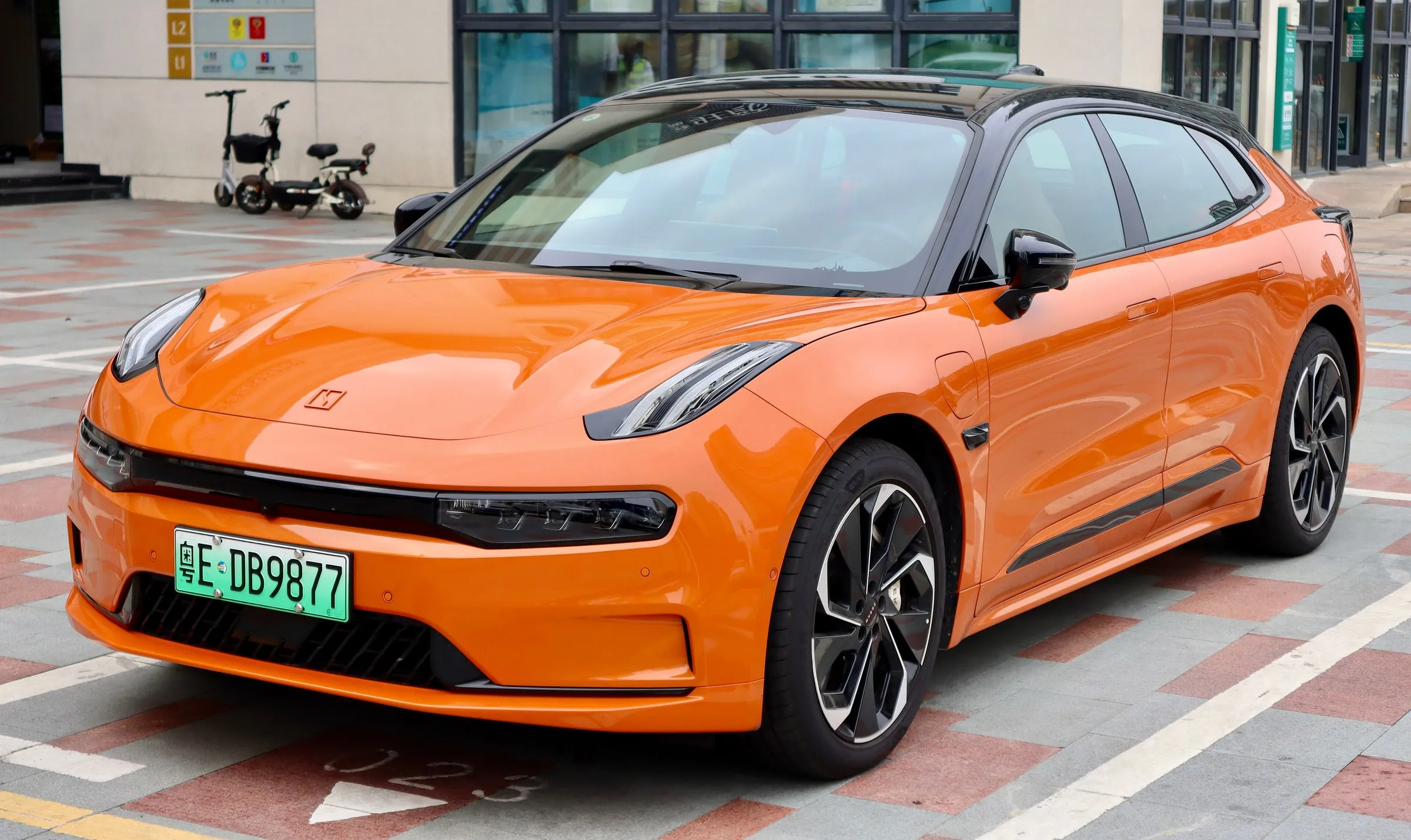
A BYD Atto 3 with the larger battery, bought from a dealer in Europe, has a CCS2 charging socket and 420 km of range on the European WLTP test. In China the same car is sold as the Yuan Plus, rated at 510 km on China’s CLTC test, and it charges through plugs built to a Chinese national standard. The European car is the export version of a model that went on sale in China first, and some of what Chinese owners get doesn’t make the trip.
Most of the questions worth asking are the ones you’d put to any brand that is new to your country. A few come from that gap between the Chinese original and the export version. Get the answers on the warranty, the software and the car’s import route in writing.
1. The battery warranty
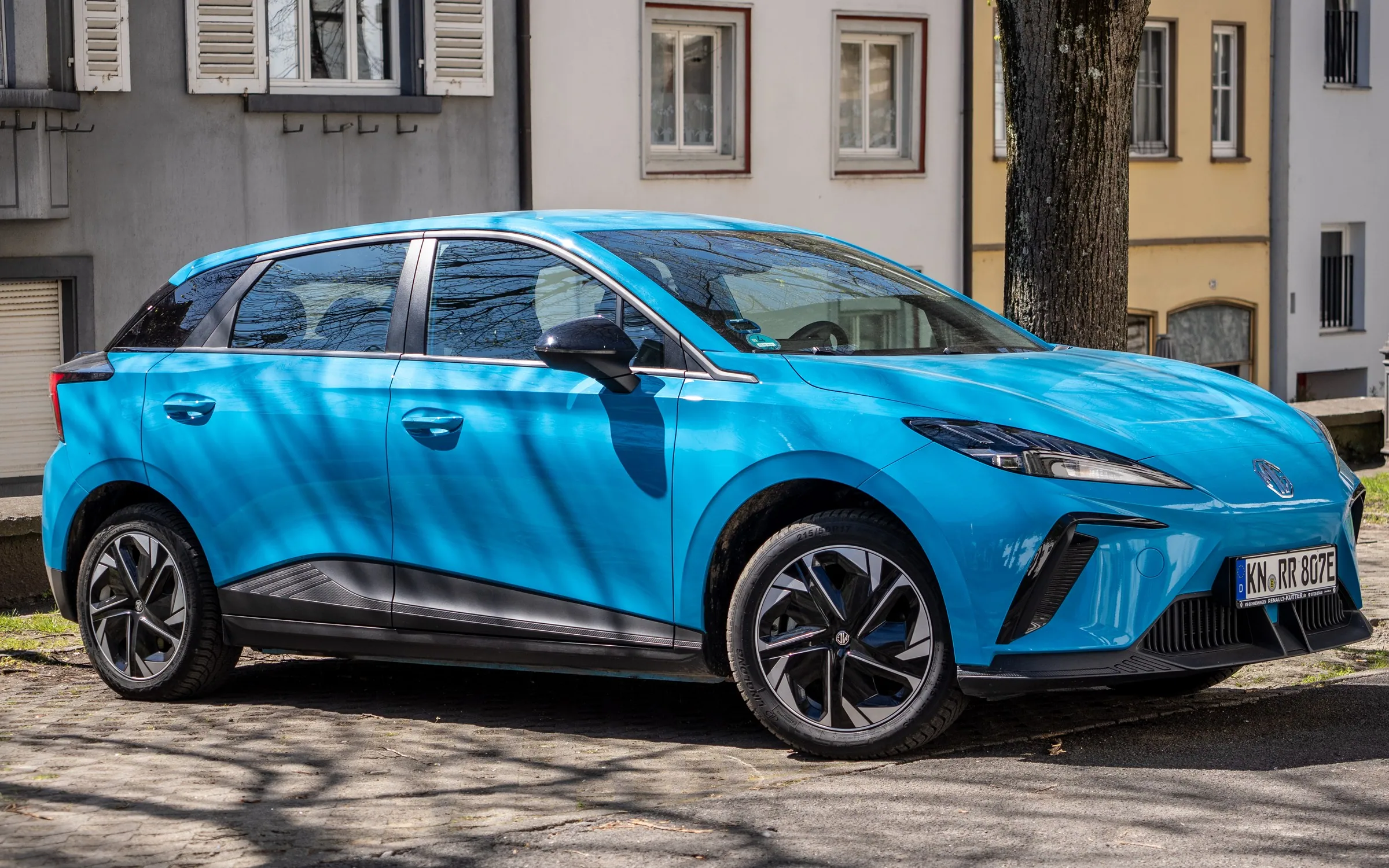
Read the battery cover before the headline warranty. MG’s UK terms show what to look for. The car is covered for seven years or 80,000 miles and the battery for eight years or 100,000 miles, and MG will repair or replace the battery if its capacity falls below 70% of the original. The cover passes to the next owner with the car. MG can refuse a battery claim if anyone other than an MG Authorised Repairer has opened or removed the pack, and it warns that driving on with a fault may invalidate the warranty.
The EU now sets a floor of its own. Under its Euro 7 rules, new types of electric car approved from 29 November 2026 must keep at least 80% of their battery energy for five years or 100,000 km, and 72% up to eight years or 160,000 km. From 29 November 2027 every new electric car registered in the EU has to meet them. The rule decides which cars can be approved and sold, and a warranty is a separate promise from the carmaker, so compare its percentage with Euro 7’s. Ask what capacity triggers a claim, how it is measured, and whether the cover moves to the next owner.
2. Dealers and servicing
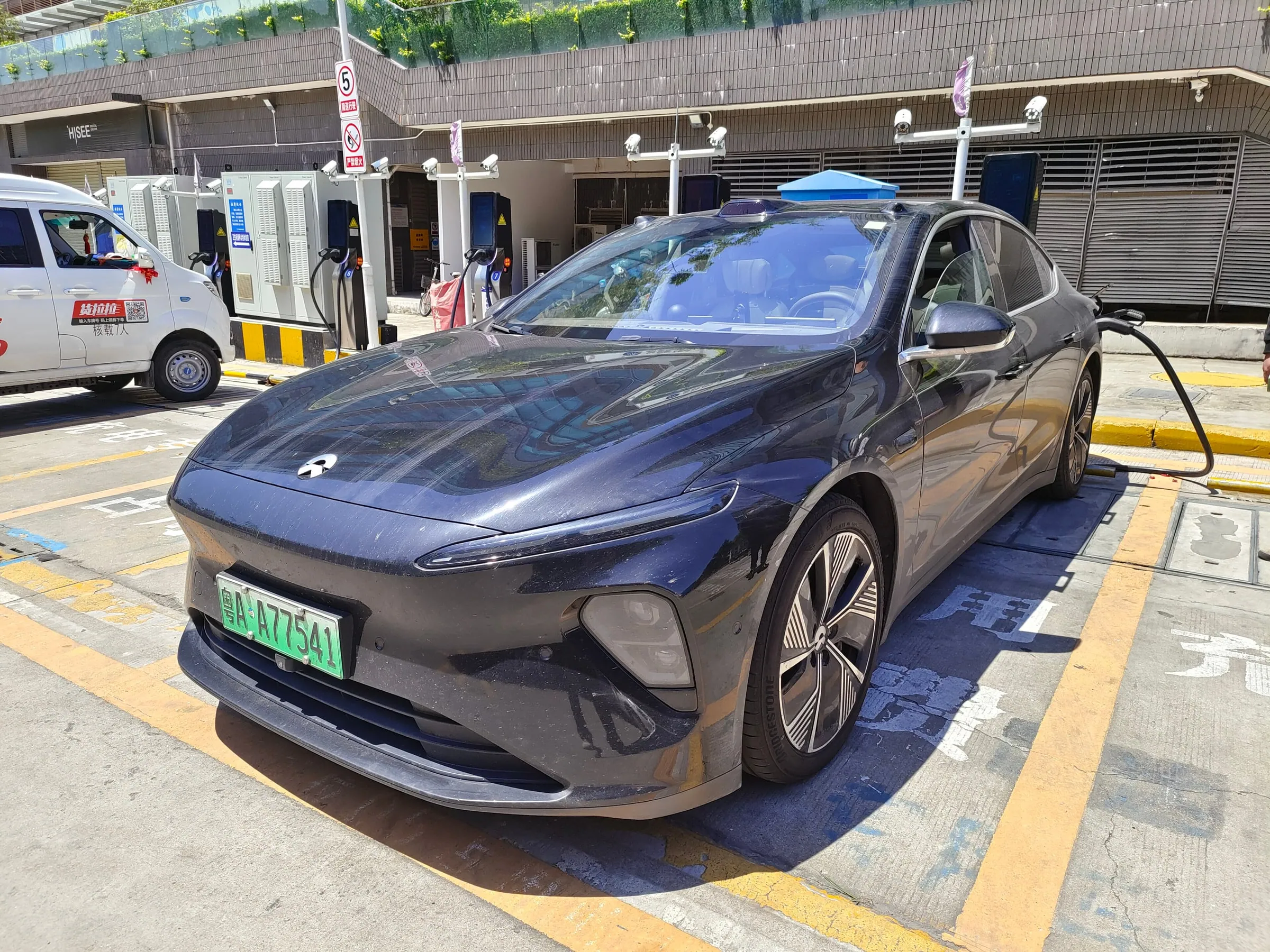
Ask who runs the brand in your country, whether that’s the carmaker’s own subsidiary, a big dealer group or a small importer, and where the nearest workshop is that can work on the high-voltage system. Their answers matter most if the brand runs into trouble. The Chinese EV maker HiPhi had started selling cars in Norway when it stopped production at its only factory, in Yancheng, in February 2024. That August a court in Yancheng accepted a bankruptcy filing from its parent company, Human Horizons, and ordered a restructuring.
3. Parts
Ask how long a windscreen, a headlamp or a bumper takes to arrive, and where it is shipped from. Those are the parts a small accident needs, and the answer tells you how long the car could sit at a bodyshop. If the dealer says parts are held in your country or region, ask for that in writing too.
4. Software and features that stay in China
What a Chinese car can do depends on where it is sold. When Geely’s driver assistance became the first from a Chinese carmaker to win EU certification under UN Regulation 171, in March 2026, CarNewsChina noted that European rules then allowed navigation assistance only on motorways. Geely’s chief technology officer, Li Chuanhai, said European regulators had stricter safety requirements but weren’t opposed to new technology. BYD’s God’s Eye city navigation is due in Europe in 2027 on the Denza Z9 GT, and BYD’s year of accident cover for owners who use the system applies only in the Chinese market. Our God’s Eye story sets out what European buyers get.
Smaller things vary too. BYD’s European leaflet for the Atto 3 says its navigation needs an internet connection, comes as a free trial subscription and “is not available in all languages or countries”. Ask which features work in your country now, which are only promised, and what the subscriptions cost once the trials end.
5. Connected-car data and privacy
The European Atto 3 comes with 4G connectivity and a cloud service through the BYD app as standard, according to the same leaflet. That link to the carmaker is what the US has moved against. A Commerce Department rule finalised in January 2025 bans the import and sale of cars whose connected-car or automated-driving software has a “sufficient nexus” to China or Russia from model year 2027, and the import of their connectivity hardware from model year 2030. It also stops carmakers with such links from selling new connected cars in the US, even cars built there. The rule took effect in March 2025 and covers passenger vehicles, with trucks and buses left for a later rule.
In November 2026 InsideEVs reported that Polestar, in which Geely’s founder Li Shufu holds a majority stake, had applied for permission to keep selling in the US from model year 2027 and been refused. Volvo, about 79% owned by Geely, was allowed to carry on.
In the EU the same data rules apply whoever made the car. The GDPR covers companies based outside the EU when they process the personal data of people in the EU while selling to them. Since 12 September 2025 the Data Act has also given users of connected products, cars included, a right to the data their use generates. Ask where your data is stored, read the privacy notice for the app, and find out which connected features you can switch off.
6. The charging plug
Since April 2024 the EU’s AFIR regulation has required public chargers to offer at least a Type 2 connection for AC charging and a CCS2, or “Combo 2”, connector for DC fast charging. European versions match: BYD lists a CCS2 socket and 11 kW AC charging for the Atto 3. China has its own national standard for charging connectors, GB/T 20234, revised in 2023, so a car built for the Chinese market arrives with sockets that Europe’s public chargers don’t fit.
7. Real-world range
Chinese brands advertise CLTC figures at home, and CLTC runs high. The 60.48 kWh Atto 3 is rated at 510 km on CLTC in China and 420 km on WLTP in Europe, and Germany’s motoring club, ADAC, got 345 km in its own test. If a seller quotes a range without naming the test, ask which one it is. Our guide to CLTC, WLTP and EPA range explains the gap and how to estimate winter and motorway range.
8. Resale value
Look up what two- and three-year-old examples of the model sell for in your country before you buy. For a brand that has only just arrived there may be none to compare. A battery warranty that passes to the next owner, as MG’s does, gives a used buyer something to rely on. So does a brand that stays: HiPhi owners in Norway were left with cars their maker had stopped building.
9. Insurance
Get a quote before you sign. Ask the insurer whether repairs have to go to an approved bodyshop, how it treats the battery after a crash, and whether a privately imported car costs more to cover.
10. Importing one yourself
A car bought privately in China, or from a trader who brings in Chinese-market cars, arrives with Chinese charging sockets and no local dealer behind it. Before you pay, ask the brand’s importer in your country, in writing, whether it will service the car and honour any warranty.
In the UK you pay VAT and customs duty when the car arrives and tell HMRC within 14 days. The car then needs vehicle approval to show it meets safety and environmental standards, registration and tax with the DVLA, and insurance before you drive it. Cars shipped from China into the EU carry the extra duties the EU imposed in October 2024, for five years, after its anti-subsidy investigation: 17% for BYD, 18.8% for Geely, 35.3% for SAIC, 20.7% for other carmakers that cooperated with the investigation and 35.3% for those that didn’t. In the US the connected-car rule bars imports of cars with China-linked connected software from model year 2027.
Sources
- BYD Europe: BYD Atto 3 technical data and specification leaflet, 2025
- InsideEVs: BYD Yuan Plus launch specifications, 20 February 2022
- MG Motor UK: MG warranty
- EUR-Lex: Regulation (EU) 2024/1257 on type approval with respect to emissions and battery durability (Euro 7)
- CarNewsChina: HiPhi halts all production with immediate effect in China, 19 February 2024
- Carscoops: China's HiPhi EV startup is in trouble as parent company files for bankruptcy, 9 August 2024
- CarNewsChina: Geely becomes first Chinese automaker to receive EU certification for advanced driver assistance system, 17 March 2026
- CarNewsChina: Denza Z9 GT to become first BYD car with God's Eye autonomous navigation in Europe, 13 October 2026
- BYD: Liability for intelligent parking and assisted driving (German press release), 1 June 2026
- US Bureau of Industry and Security: Commerce finalizes rule to secure connected vehicle supply chains from foreign adversary threats, 14 January 2025
- InsideEVs: The US let Volvo keep selling cars. Polestar got a no. What about Mercedes?, November 2026
- EUR-Lex: General Data Protection Regulation, Regulation (EU) 2016/679
- EUR-Lex: Data Act, Regulation (EU) 2023/2854
- EUR-Lex: Alternative Fuels Infrastructure Regulation, Regulation (EU) 2023/1804
- CCTV: MIIT: national standards for EV conductive charging connectors released (in Chinese), 13 September 2023
- ADAC: Electricity consumption of electric cars in the ADAC Ecotest (in German)
- European Commission: EU imposes duties on unfairly subsidised electric vehicles from China while discussions on price undertakings continue, 29 October 2024
- GOV.UK: Importing vehicles into the UK

Saba founded VoltScope and edits every story on it, checking each figure against the sources listed at its foot.
- Buying guide
- Warranty
- Charging
- Data privacy
- Imports
- BYD
- MG
- Polestar