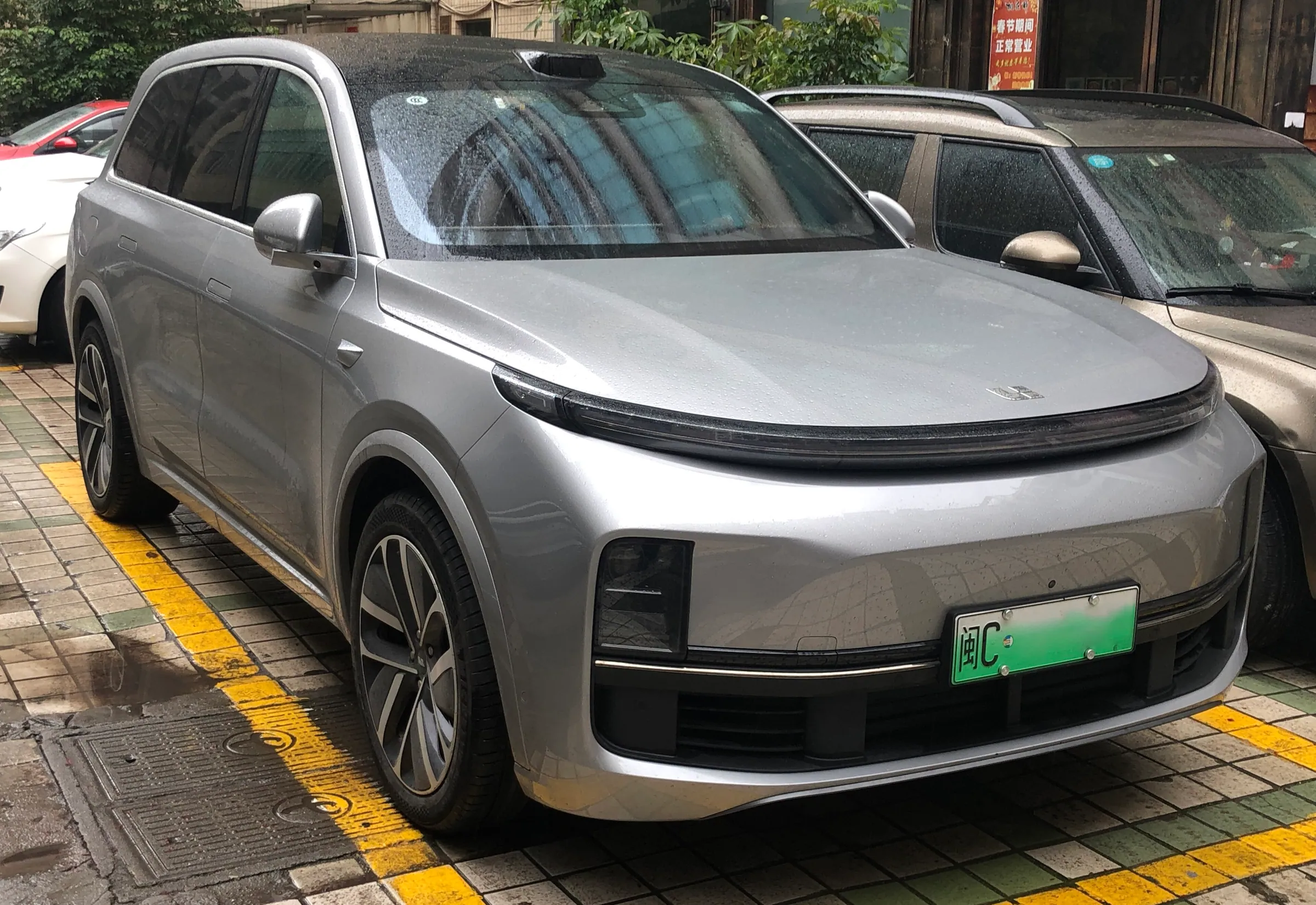
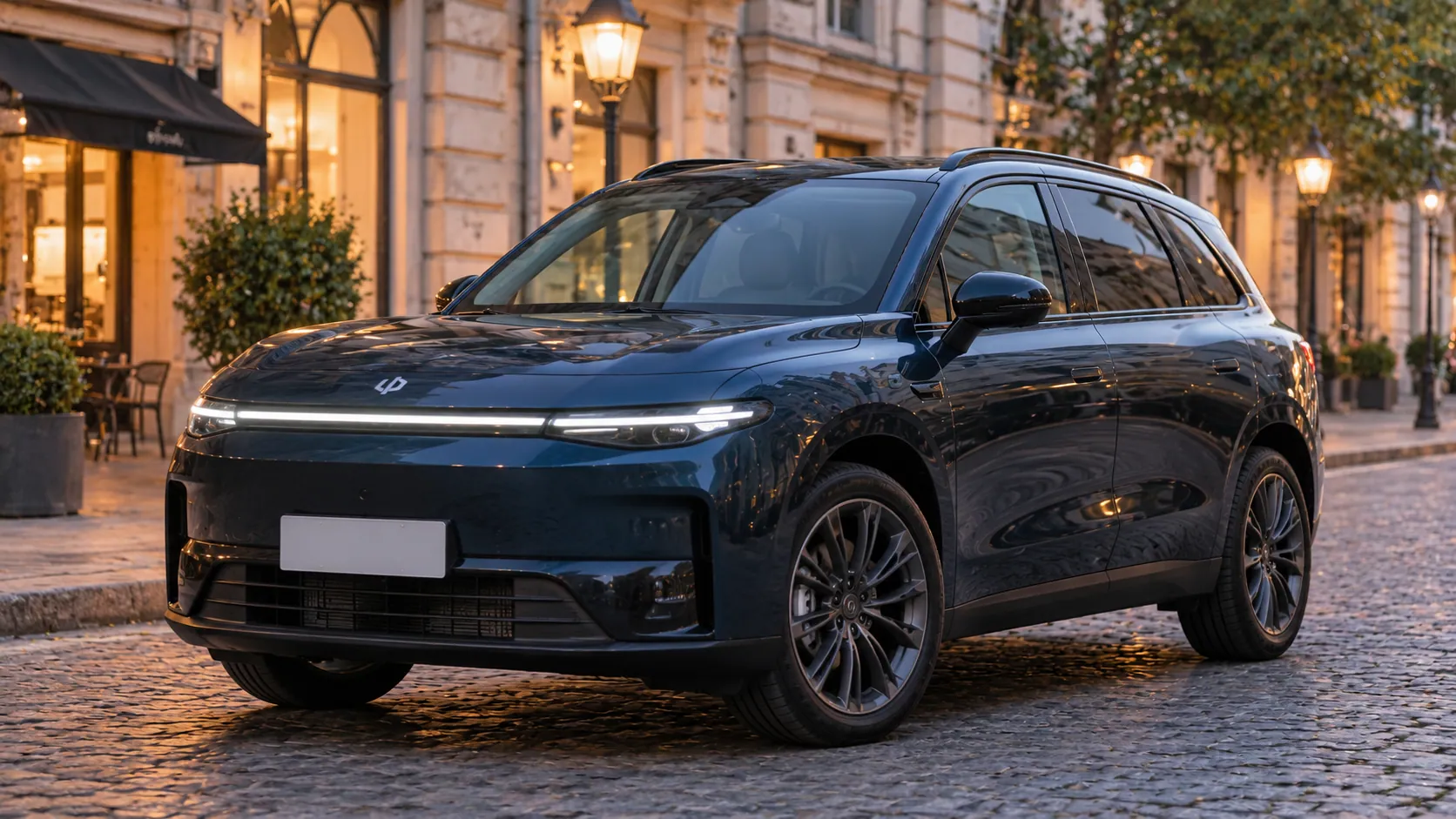
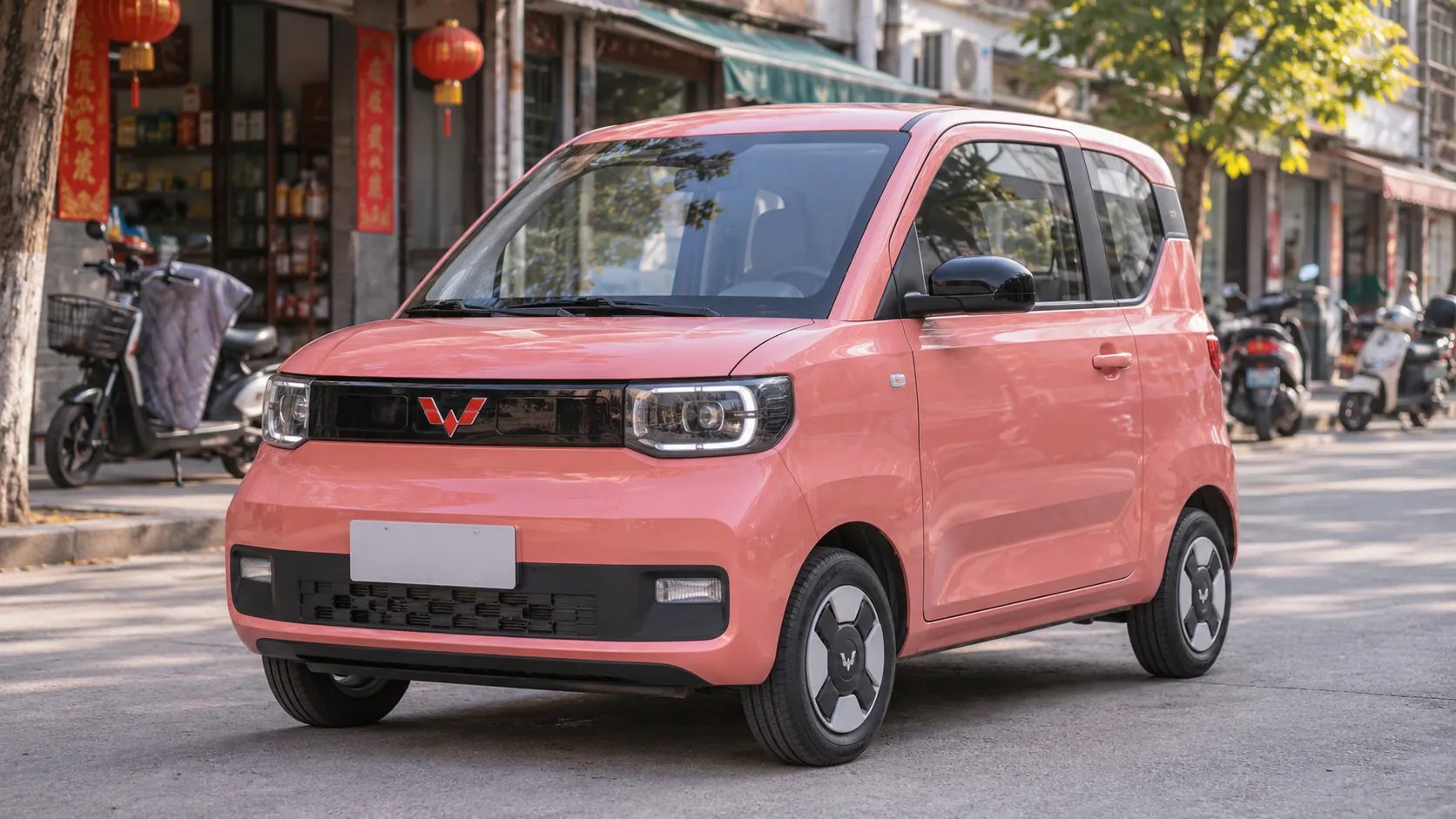
Whose car is an Avatr? The EV brand Changan built with Huawei and CATL
Changan builds every Avatr and owns the trademark, though it keeps its own name off the badge. In China, Huawei’s software runs the screens and the driver assistance, and every battery comes from CATL. Nio, which founded the company with Changan in 2018, sold most of its half for one yuan.
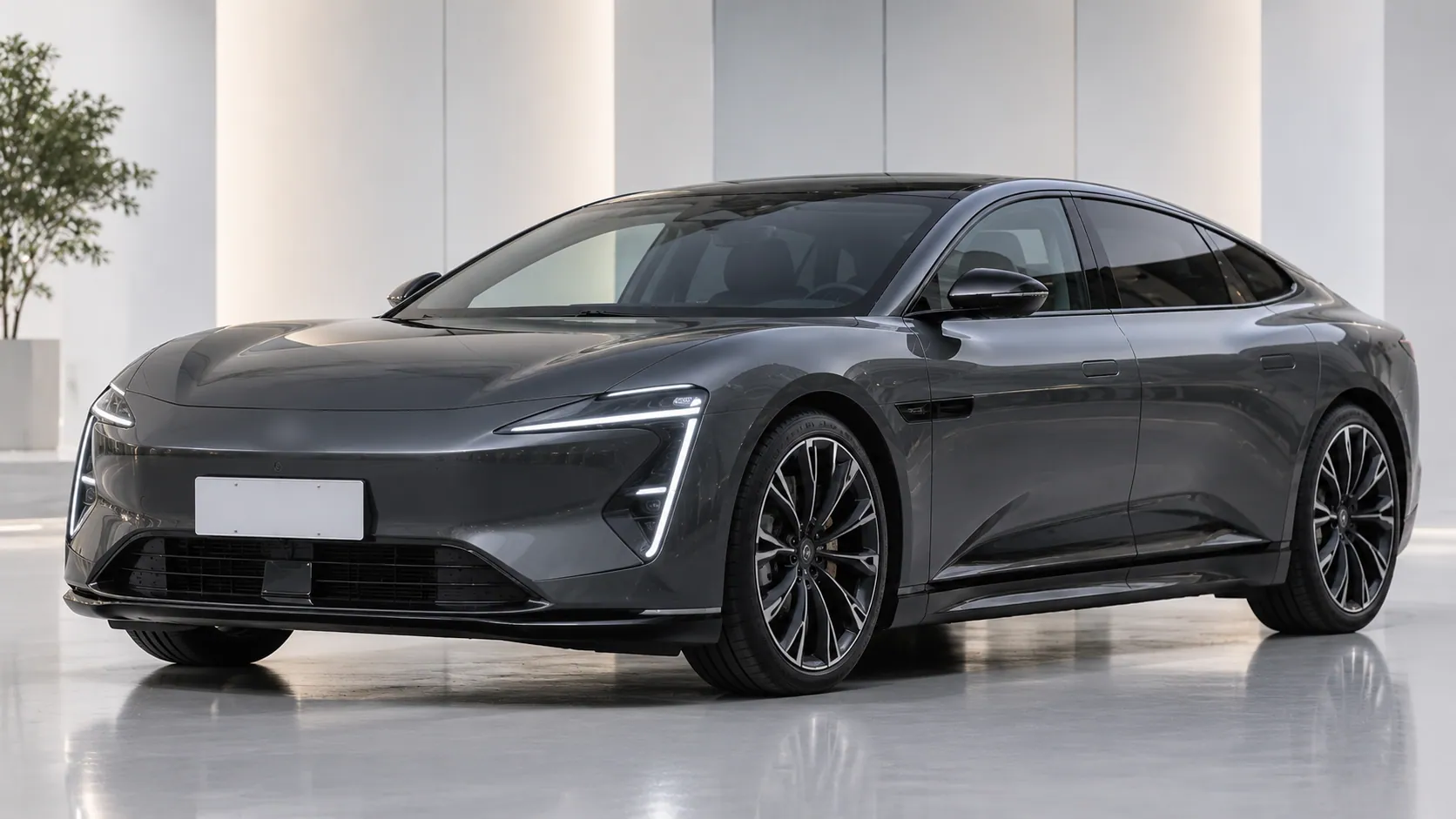
The Avatr 12 made its European debut at the IAA show in Munich in September 2023. It’s a five-metre four-door coupe with no rear window (a camera feeds the mirror), drawn by a team in Munich under Nader Faghihzadeh, who spent nearly 18 years at BMW.
The badge says Avatr. Changan, the state-owned carmaker from Chongqing that builds the car, left its own name off the badge, and Avatr’s listing documents say that was deliberate: the brand is meant to stand apart from Changan’s cheaper ones. So whose car is it? Mostly Changan’s, though Huawei and CATL have strong claims, and the answer changes once the car leaves China.
Nio’s one-yuan exit
Avatr started out as Changan Nio, a company set up in July 2018 and owned half each by Changan and the EV start-up Nio. That didn’t last. In April 2020, short of cash, Nio agreed to sell most of its half to Changan for a nominal one yuan, a price the filing ties to the company’s net assets at the time. Changan put in another 90 million yuan and Nio was left with 4.62%. Later funding rounds cut that to less than half a percent, and in late 2025 Nio sold its last shares for about 117 million yuan, a good deal more than it got for the rest.
In 2020 Changan also announced a premium electric brand with Huawei and CATL, and the platform under the first car was called CHN: C for Changan, H for Huawei and N for CATL, which in Chinese is Ningde Shidai, after the city it calls home. Changan Nio became Avatr Technology in May 2021.
Built in Chongqing
Changan still owns about 41% of Avatr, and it’s the only manufacturer Avatr has used. The 11, 12 and 06 are built at Changan’s Liangjiang No. 1 plant in Chongqing and the 07 at another Changan factory. Changan even owns the Avatr trademark, which it licenses to Avatr for no more than 50,000 yuan a year. Avatr calls this an asset-light model: it designs and sells the cars, while Changan provides the factories and its research and testing labs.
On 12 November 2026, with Avatr on its second application to list in Hong Kong, Changan put a 10% stake up for sale, asking at least 3.18 billion yuan. If it finds a buyer, it will still be the largest shareholder, with about 31%.
Huawei’s software, CATL’s cells
In China every Avatr runs Huawei’s Qiankun driver assistance and a cockpit built on Huawei’s HarmonyOS, much like the cars in Huawei’s HIMA alliance. Avatr isn’t in that alliance, though, and Huawei owns no shares in Avatr. The money flows the other way. In August 2024 Avatr agreed to pay Huawei 11.5 billion yuan for 10% of Yinwang, the car technology company Huawei had set up that January. Seres, the carmaker behind Aito, took another 10% and Huawei kept the rest.
That’s a big cheque for a company that lost about 13.2 billion yuan in the four years to 2025, 3.5 billion of it in 2025, by its own accounts. Its share of Yinwang’s profit for 2025 came to 182 million yuan.
Since December 2024 Avatr and Huawei have worked under what Avatr calls a co-creation model, with Huawei helping to define the cars as well as supplying the software. Huawei’s team worked on the 07L SUV, launched in August 2026, from its exterior design to the interior colours. After that launch Yong Jun, an Avatr vice president, told reporters he didn’t believe Avatr depended on the partnership. He has also described the T09, a large six-seat SUV due in China by the end of 2026, as Avatr’s “first model developed in full collaboration with Huawei in the true sense”. We’d give that second remark more weight, and so, in effect, does Avatr’s listing document, which credits closer work with Huawei for part of its sales growth.
CATL’s part is easier to pin down. It put about 770 million yuan into Avatr in 2022, which made it the second-largest shareholder with almost a quarter of the company, and later rounds have diluted it to about 9%. Every Avatr uses CATL batteries, from Qilin and Shenxing packs to the Freevoy hybrid battery. Since 2025 the two companies have also worked together on branding and marketing.
Four cars in four years
All four were designed under Faghihzadeh, who left a creative director’s job at BMW in March 2019 to join what was then Changan Nio. Avatr’s design centre in Munich now has 144 staff from more than 20 countries. Changan made him one of its Model Workers for 2023, a very Chinese honour for a designer trained in Pforzheim.
- Avatr 11: an SUV launched in August 2022, with first deliveries that December.
- Avatr 12: a four-door coupe, on sale in China from November 2023.
- Avatr 07: a mid-size SUV launched in September 2024, and the best seller in 2025 with 57,338 deliveries. The 07L followed in August 2026.
- Avatr 06: a saloon launched in April 2025, with an estate version, the 06T, from April 2026.
Each of the four is sold in China as a pure battery car or with a petrol range extender. Deliveries doubled in 2025 to 122,702, all but about 4,500 of them in China, and peaked at 14,211 in November. This year has been harder. Deliveries in the first five months were less than half those of a year earlier, and October’s total was 7,056.
Abroad, a different Avatr
Cars sold outside China use a cockpit system Avatr developed itself, running on Qualcomm chips, in place of the Huawei HarmonyOS cockpit used at home, according to its filing.
Right-hand drive 11s were launched in Thailand in September 2024, and by the end of 2025 Avatr had more than 80 sales outlets in 38 countries and regions. It told prospective investors it planned to enter Europe in 2026. A distribution deal signed back in Munich in June 2026 with Autohellas, a Greek rental and dealer group, puts the Greek launch at the start of 2027, with the 07L and the 06T. Australian deliveries of the 07L are due in the first half of 2027.
The press release for the Greek deal describes Avatr as a brand backed by Changan that builds on Changan’s manufacturing and CATL’s batteries while “integrating leading global intelligent driving technology”, and never mentions Huawei.
Correction, 25 November 2026: an earlier version of this story put Avatr’s losses at 11.2 billion yuan over three years. The figures it filed show 13.2 billion yuan over the four years to 2025.
Sources
- Avatr Technology: Hong Kong listing application (draft prospectus), 30 June 2026
- CnEVPost: Changan officially unveils its new EV brand and first model built with Huawei and CATL, 24 August 2021
- Yicai Global: Changan Auto's joint venture with Nio changes name to Avatar, 21 May 2021
- Yicai Global: Avatr VP says Huawei alliance isn't a 'necessity' for Chinese carmaker's future products, 10 August 2026
- Yicai Global: Avatr reveals USD1.9 billion loss over four years as EV maker revives Hong Kong IPO bid, 1 July 2026
- CnEVPost: Avatr teases 9-series flagship SUV co-designed with Huawei Qiankun, due by year-end, 8 September 2026
- CnEVPost: Changan seeks to sell 10% stake in Avatr at implied valuation of $4.7 billion, 13 November 2026
- Autohellas: AVATR signs partnership with Autohellas Group to accelerate Southern European expansion, 30 June 2026
- EV Central: Chinese premium brand Avatr confirms first Aussie model: 07L electric SUV deliveries will start in 2027, 25 September 2026
- electrive: China brand Avatr unveils electric sedan Avatr 12, 5 September 2023
- Gasgoo: AVATR launches right-hand drive AVATR 11 model in Thailand, 18 September 2024
Saba founded VoltScope and edits every story on it, checking each figure against the sources listed at its foot.
- Avatr
- Changan
- Huawei
- CATL
- Yinwang
- Nio
- Avatr 12
- Avatr 07