Why China bet on LFP, the battery everyone else wrote off
Lithium iron phosphate holds less energy than nickel-rich cells, so Western carmakers passed on it. Today it’s in about three of every four EV batteries installed in China, and Ford and Stellantis are building plants to make it.
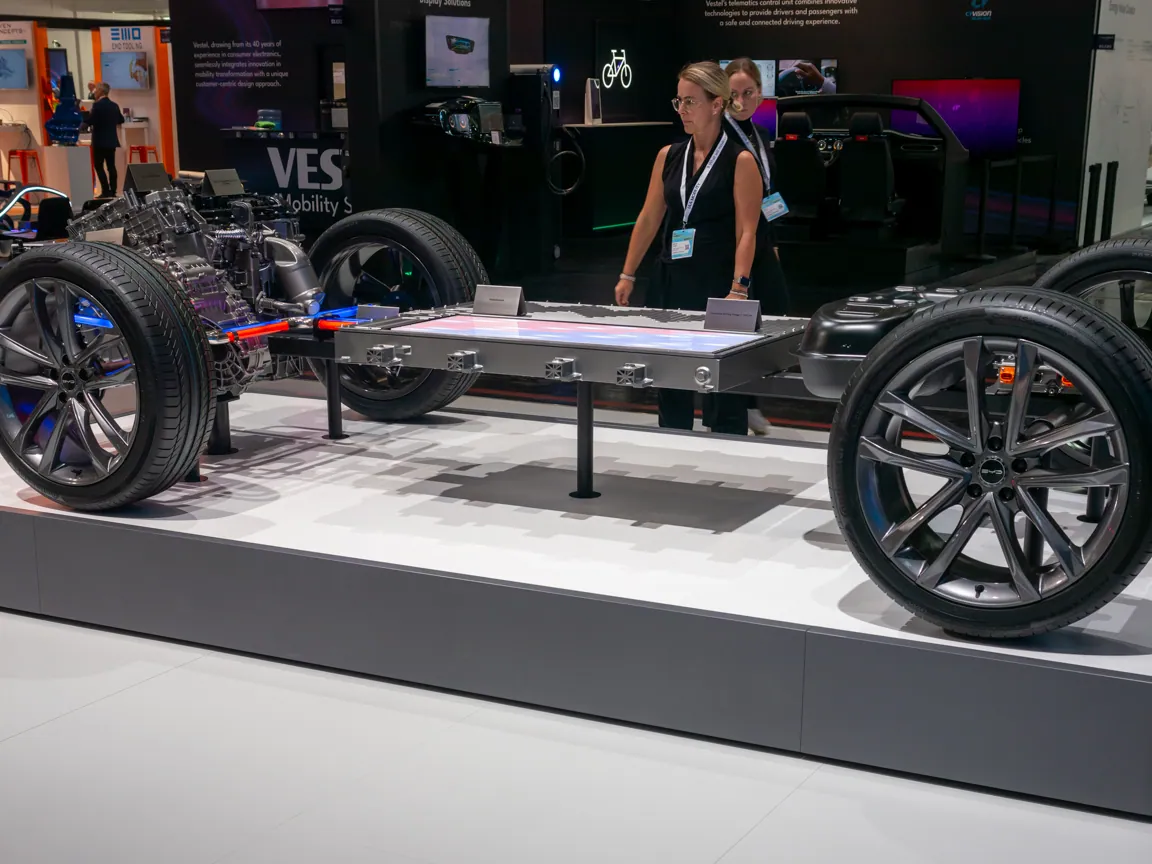
For most of the last decade, lithium iron phosphate was the battery of buses, forklifts and power tools. It was safe and it lasted. But it was heavy for the energy it held, and a car that used it gave up range. Carmakers chasing bigger range numbers bought nickel-rich cells instead.
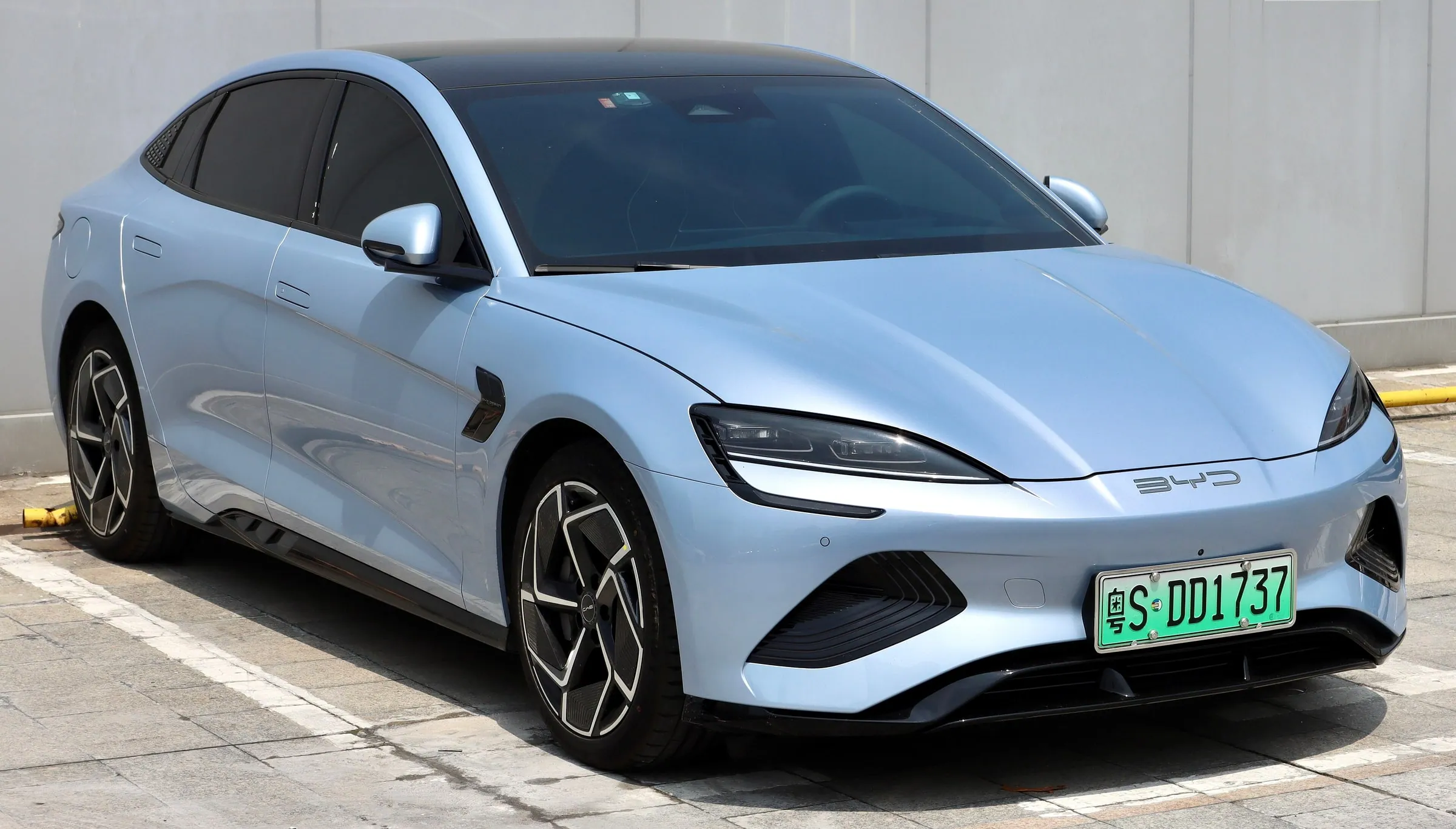
China’s battery makers kept working on it anyway. Now you’ll find it in BYD’s best sellers and in the cheapest Teslas built in Shanghai. Most of the electric buses and delivery vans on Chinese roads run on it too. In 2024 LFP made up about three quarters of all EV battery capacity installed in China, according to the China Automotive Battery Innovation Alliance. By the IEA’s estimate it was close to half of global EV battery demand that year, and nearly all of those cells came from China.
LFP versus NMC
A lithium-ion battery takes its name from the chemistry of its cathode, which in LFP is lithium iron phosphate. LFP’s main rival, NMC, uses nickel, manganese and cobalt. The nickel is why NMC holds more energy. An NMC cell runs at about 3.7 volts, and the best ones store more than 250 watt-hours per kilo. LFP runs at about 3.2 volts and tops out a little above 200. Put the same weight of cells in a car and the NMC version goes further. Chinese battery makers are trying to narrow that gap with LMFP. Adding manganese to the cathode raises the voltage and the energy stored without bringing back nickel or cobalt.
In an LFP cell, the cathode’s crystal structure holds on to its oxygen when it overheats, so the cell is far less prone to thermal runaway, the chain reaction behind battery fires. It also survives thousands of full charge cycles, many more than a typical nickel-rich cell is rated for. That’s why the same chemistry runs taxis, buses and home batteries that cycle every day.
Lithium iron phosphate
- Nominal voltage
- 3.2 V
- Energy density
- 160 to 205 Wh/kg
- Cycle life
- 3,000 to 6,000
- Cobalt or nickel
- None
Nickel manganese cobalt
- Nominal voltage
- 3.6 to 3.7 V
- Energy density
- 240 to 300 Wh/kg
- Cycle life
- 1,000 to 2,000
- Cobalt or nickel
- Both
Winter is harder on LFP. The cells lose more range in the cold and charge slowly until the pack warms up, so Chinese EVs often heat the battery while you drive to a fast charger.
You’re also told to charge it full. LFP’s voltage barely changes across most of its charge, so the car struggles to judge how full the pack is. Tesla and other carmakers ask LFP owners to charge to 100% at least once a week to keep the estimate honest. Full charges and deep cycles don’t bother it. NMC owners usually get the opposite advice: stop at 80 or 90%.
The Blade battery and the end of subsidies
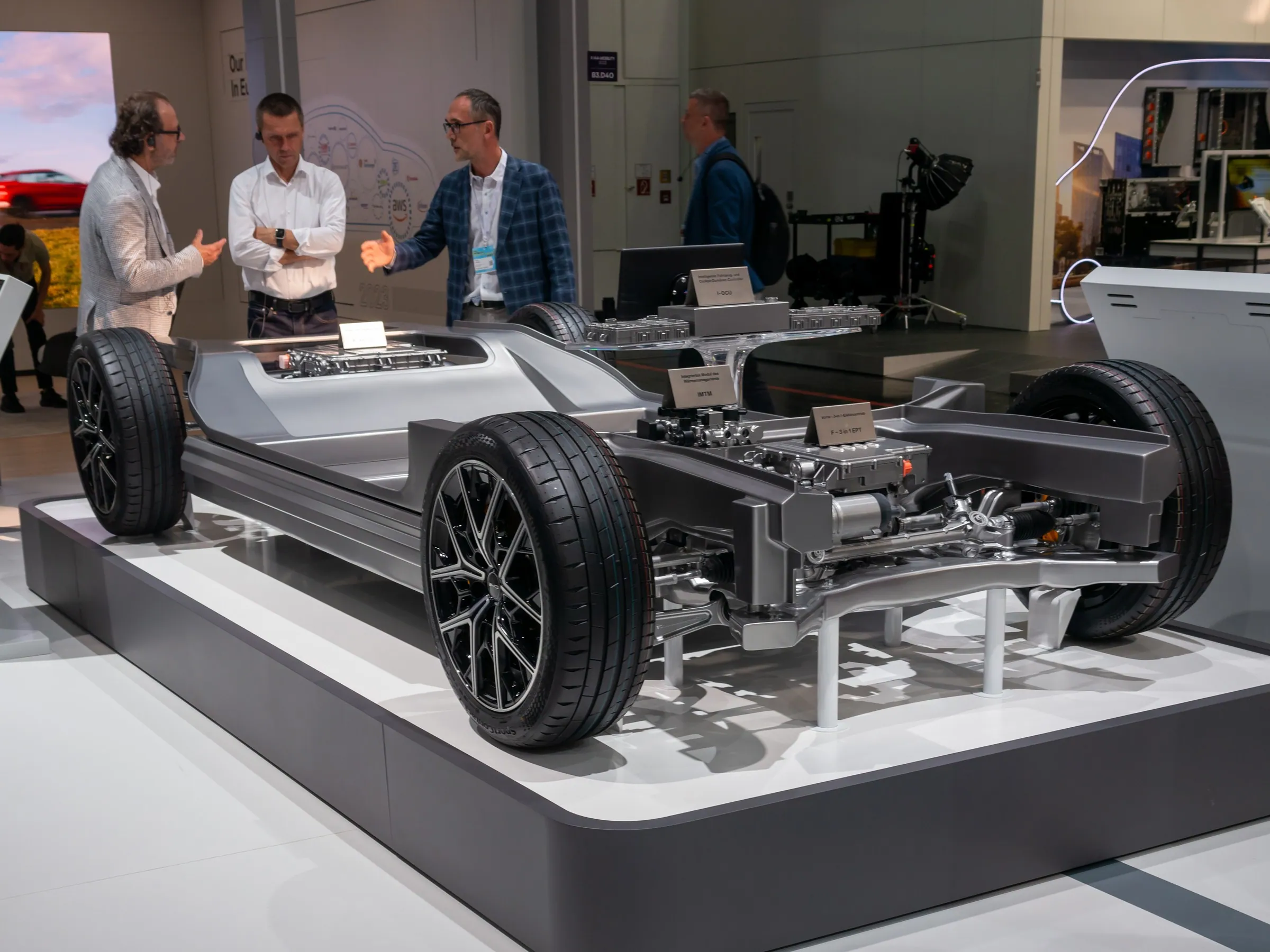
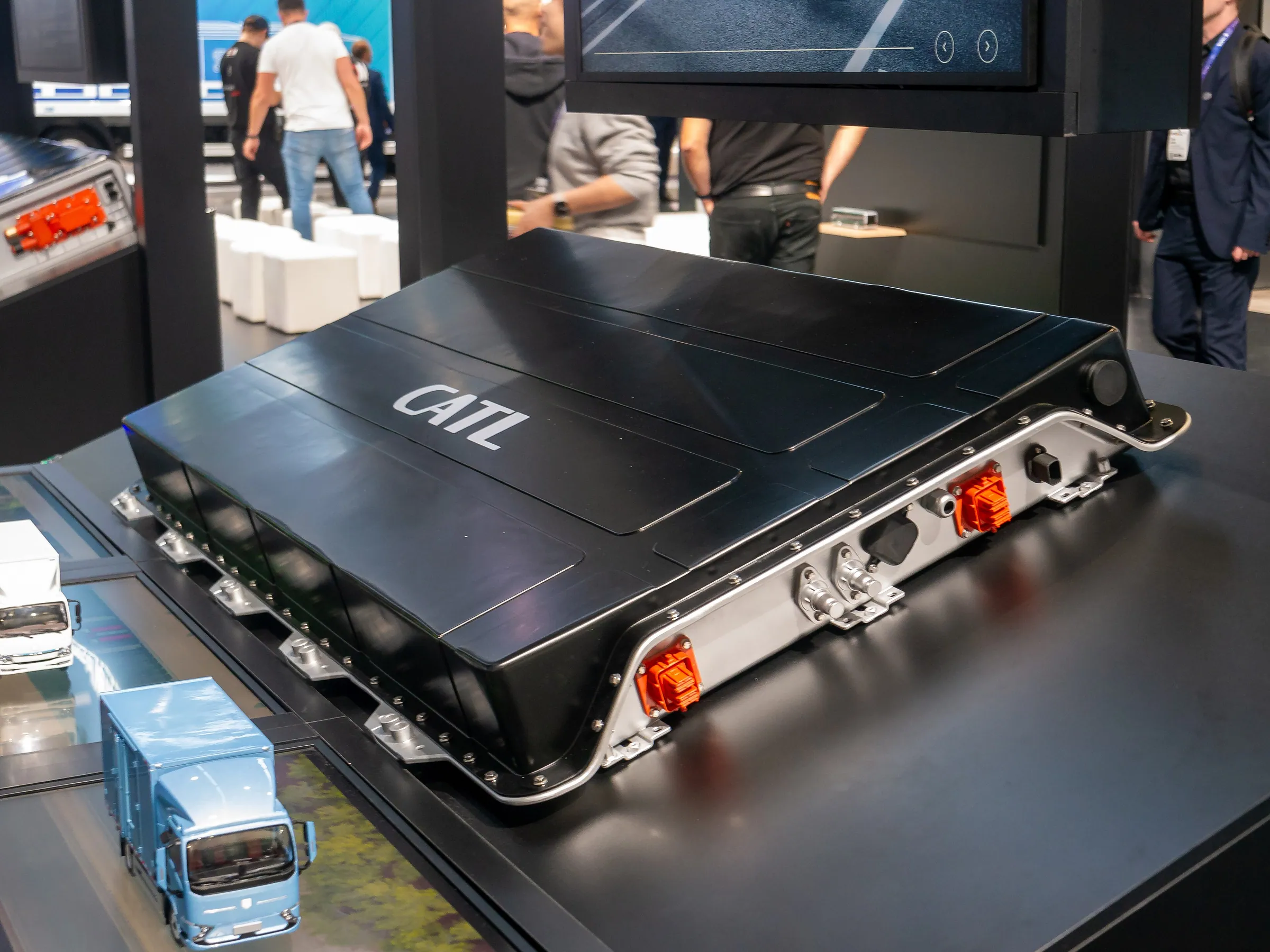
A conventional pack groups cells into modules and bolts the modules into a case. All that metal and wiring adds weight and wastes space. In 2019 CATL launched cell-to-pack batteries that do without the modules, and a year later came BYD’s Blade battery. Its LFP cells, about a metre long and 13.5 millimetres thick, sit side by side across the pack and help hold it together. With less structure around them, LFP cells could fill more of the pack, so LFP cars started reaching ranges buyers were happy with.
Tesla made LFP respectable outside China. In 2020 it started fitting CATL’s LFP cells to the cheapest Model 3 built in Shanghai. Within a few years LFP was in entry-level Teslas sold around the world. Carmakers in Europe and the US are now licensing Chinese know-how so they can make LFP themselves. Ford is building an LFP plant in Michigan using CATL technology, and Stellantis and CATL are building one in Zaragoza, Spain. Both are due to start production in 2026.
Until 2022 Beijing paid subsidies to EV buyers, and the rules paid more for packs that stored more energy per kilo. That pushed carmakers toward nickel. The subsidies shrank each year and ended with 2022, taking the reward for a good number on paper with them. From then on, what mattered was what the car cost. That’s where LFP wins. Iron and phosphate are cheap and mined all over the world. Nickel and cobalt prices swing hard, and cobalt mining comes with human-rights questions carmakers would rather not answer. Iron barely moves. BloombergNEF’s 2024 survey put the average battery pack price in China at $94 per kilowatt-hour, the lowest of any market, against a global average of $115.
In 2023 CATL launched its Shenxing cells, the first LFP cells sold for 4C charging. CATL says they add 400 km of range in ten minutes.
Sources
- CnEVPost, citing the China Automotive Battery Innovation Alliance: China EV battery installations in Dec: CATL share at 45.48%, BYD 23.19% (full-year 2024 figures), 13 January 2025
- IEA: Global EV Outlook 2025: electric vehicle batteries, 14 May 2025
- BloombergNEF: Lithium-ion battery pack prices see largest drop since 2017, falling to $115 per kilowatt-hour, 10 December 2024
- Journal of the Electrochemical Society: Padhi, Nanjundaswamy and Goodenough, Phospho-olivines as positive-electrode materials for rechargeable lithium batteries (1997)

Saba founded VoltScope and edits every story on it, checking each figure against the sources listed at its foot.
- LFP
- CATL
- BYD
- Battery chemistry