BYD vs Tesla: two very different ways to build an EV battery
BYD uses the same cheap, safe chemistry in every car it builds, while in a Tesla it depends on which version you buy. BYD’s newest chargers peak at 1,000 kW, four times a Model 3.
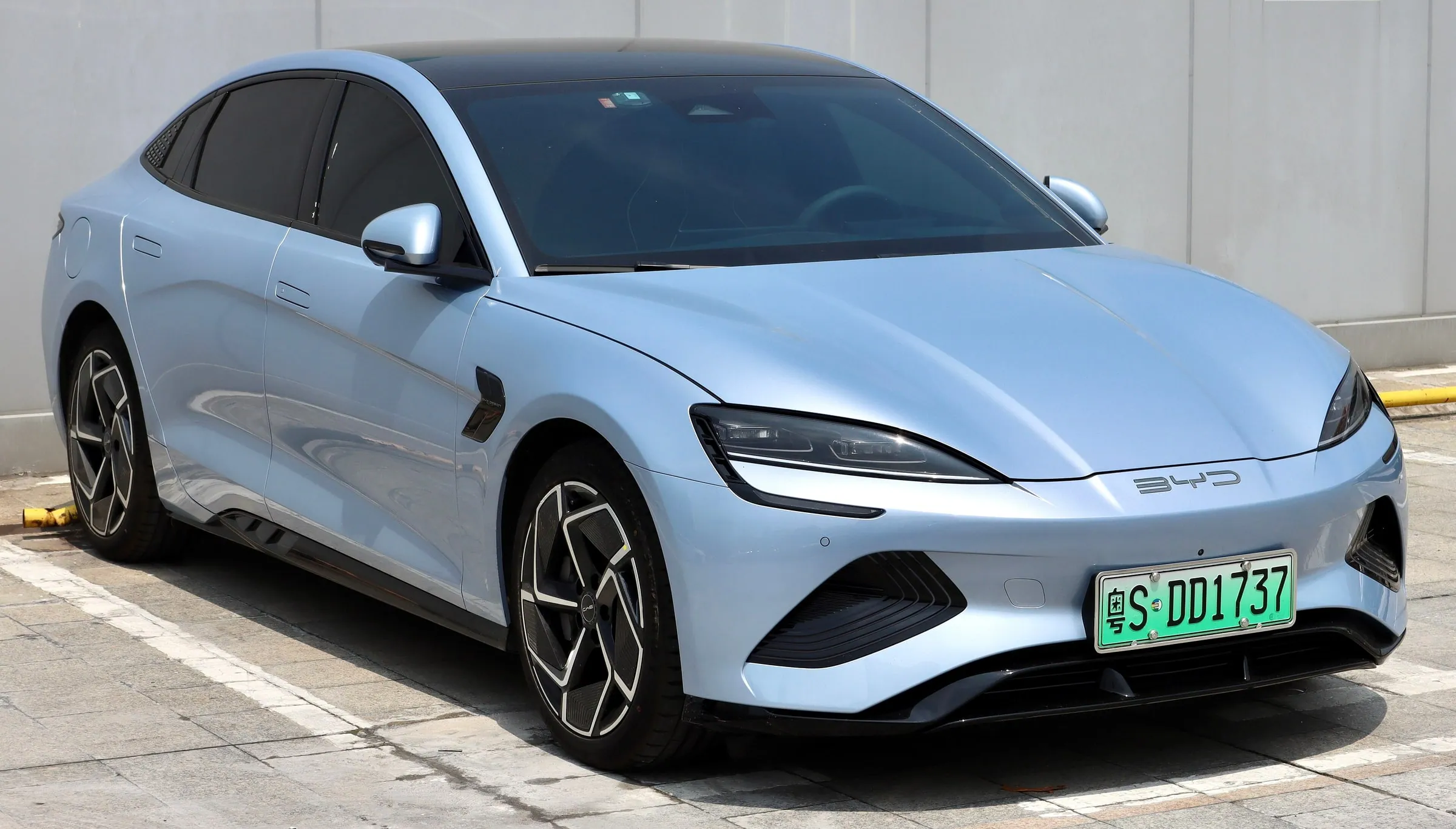
BYD makes almost every cell it uses. Tesla buys most of its cells from other companies, and one of them is BYD. The world’s two biggest sellers of electric cars started at different ends of the battery business. BYD began in 1995 making rechargeable batteries for mobile phones. Tesla’s plan, when it started in 2003, was to wire thousands of laptop cells together and put them in a sports car.
FinDreams and four suppliers
BYD’s cells come from FinDreams, its own battery company. They’re Blade cells using LFP chemistry, whether the car is fully electric or a plug-in hybrid. Owning the whole chain lets BYD design the cell, the pack and the car together and set the price of all three. On price that’s hard to match, and Tesla knows it. Its Megapack grid batteries have run on LFP cells since 2021.
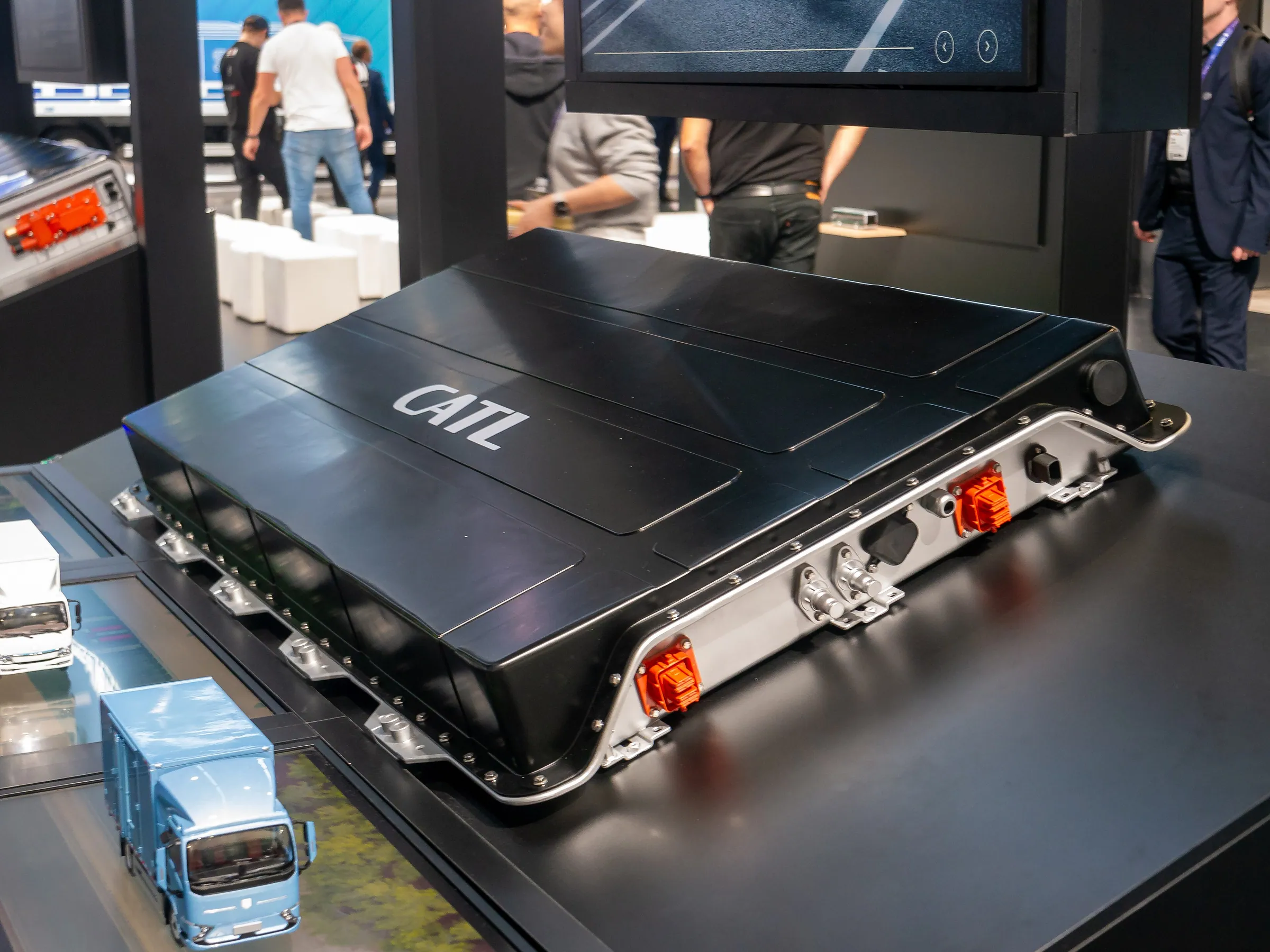
FinDreams sells to rivals as well. Some Model Y cars built in Berlin used Blade cells, and the entry-level Xiaomi SU7 runs on them. SNE Research ranked BYD the world’s second-biggest maker of EV batteries in 2024, after CATL.
Tesla’s other suppliers are Panasonic, LG Energy Solution and CATL. It designs its packs itself and makes large 4680 cells in Texas. Which cells your Tesla has depends on where it was built and which version you bought. The cheapest Model 3 and Model Y from Shanghai use CATL’s LFP cells, the same chemistry BYD puts in every car. That’s the safer bet if you’d rather charge to 100% every night and keep the battery for a decade. Long Range and Performance versions use nickel-rich cells from LG Energy Solution or Panasonic.
Structural packs
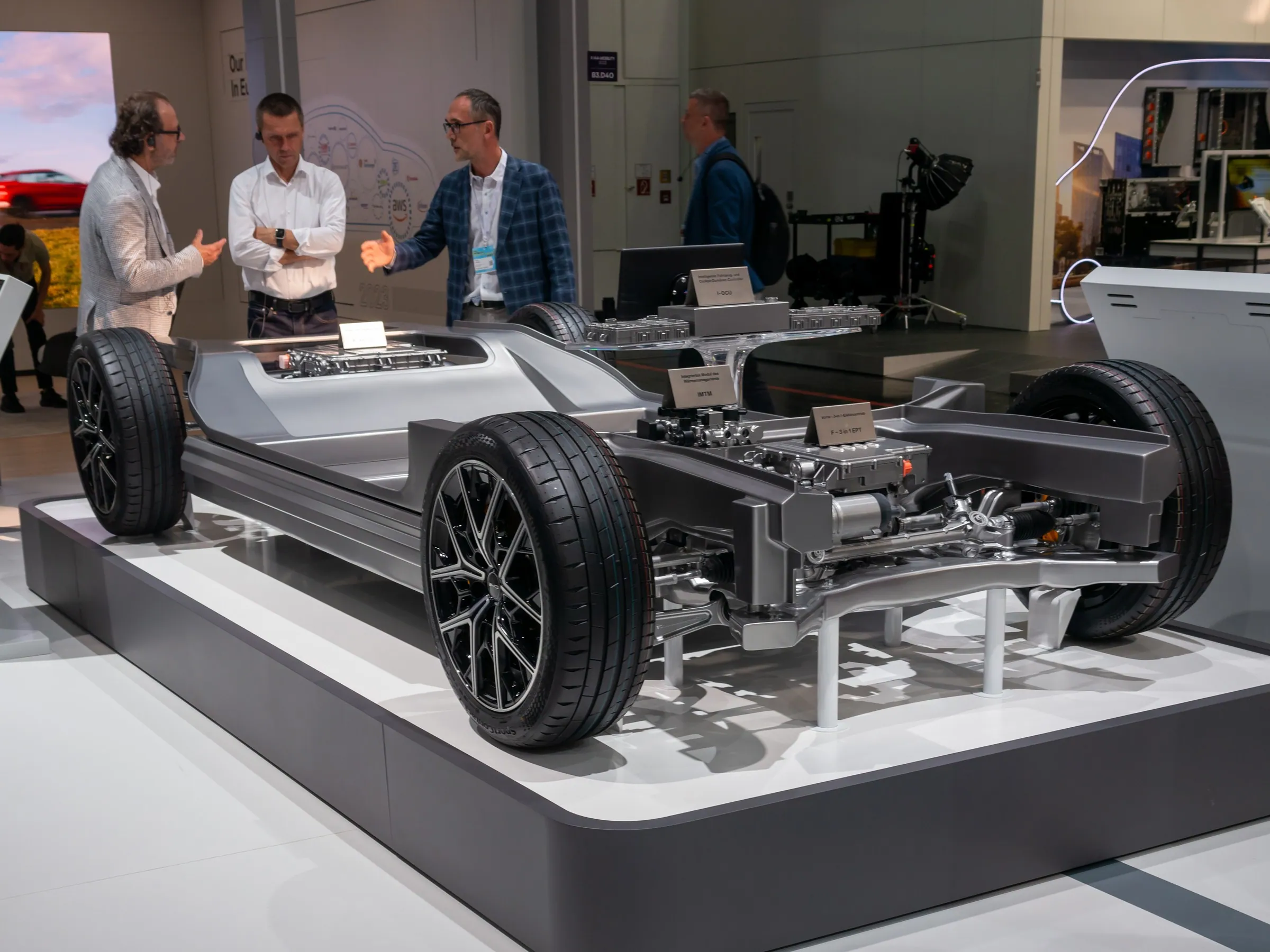
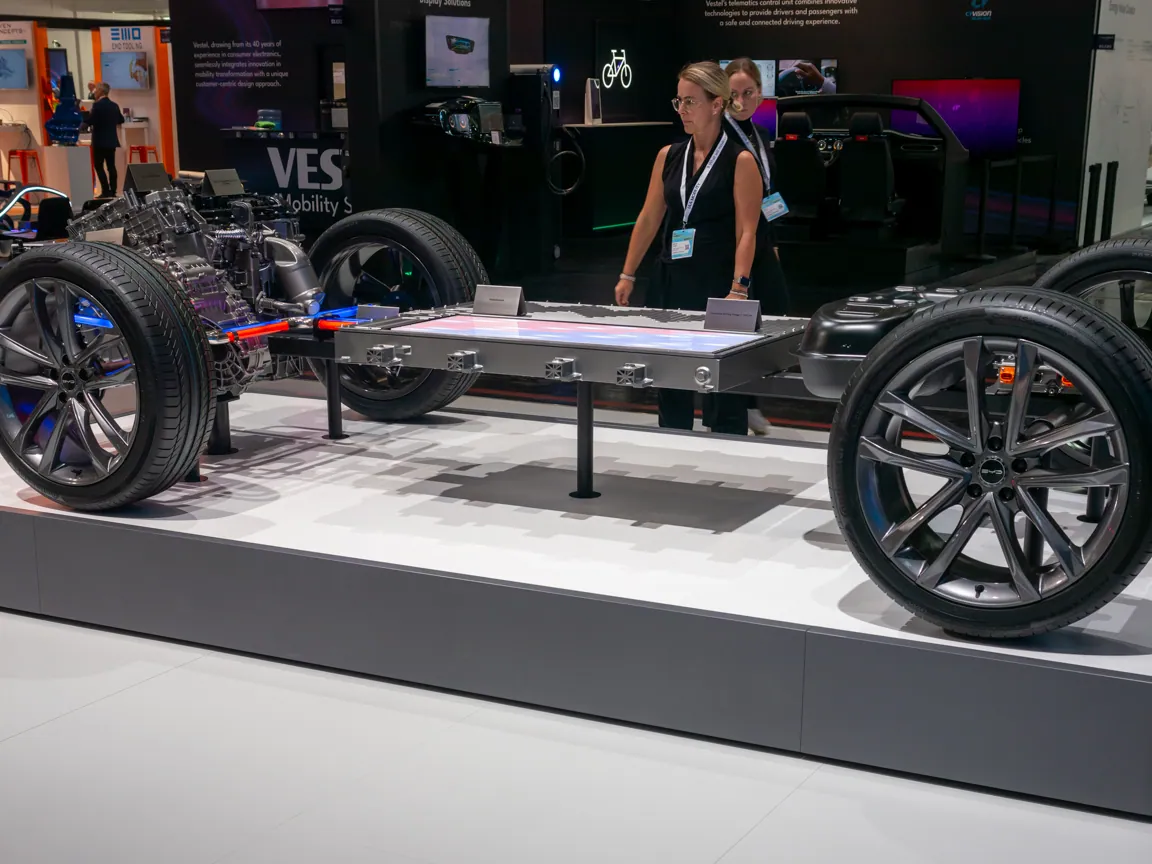
Tesla uses several pack layouts. Most group small cylindrical cells into modules. CATL’s LFP packs skip the modules, and the 4680 cars use a structural pack that’s part of the body. That last one comes close to BYD’s idea from the opposite cell shape. A Blade cell is about a metre long and only 13.5 millimetres thick. BYD stands the cells side by side across the pack like books on a shelf, with no modules in between. Since 2022, starting with the Seal, it has gone further with cell-to-body: the lid of the pack is also the floor of the car.
- Who makes the cells
- BYD: its own company, FinDreams. Tesla: Panasonic, LG Energy Solution, CATL and BYD, plus its own 4680 line
- Chemistry
- BYD: LFP across the range. Tesla: LFP in entry versions, nickel-rich cells in Long Range and Performance
- Cell shape
- BYD: long, flat Blade cells. Tesla: cylindrical 2170 and 4680 cells, plus prismatic LFP cells
- Pack design
- BYD: cell-to-pack, and cell-to-body since 2022. Tesla: modules in most packs, a structural pack in 4680 cars
- Fastest charging
- BYD: up to 1,000 kW on its new megawatt chargers (2025). Tesla: about 250 kW for Model 3 and Model Y
The nail test
BYD launched the Blade in March 2020 with a demonstration that went around the world: a steel nail driven through a fully charged cell. The Blade cell didn’t smoke or catch fire, and its surface stayed between 30 and 60 °C. An NMC cell put through the same test burst into flames. It was BYD’s own test at BYD’s own launch, but the result fits what’s known about LFP, which resists thermal runaway far better than nickel-rich chemistry.
Tesla leans on engineering around the cells. Its cylindrical packs fuse every cell individually, run coolant between them and monitor them constantly. The nickel-rich Teslas carry more energy that has to be contained, and in return they go further for each kilo of battery.
Megawatt charging
A Model 3 or Model Y peaks at about 250 kW, which is plenty for a coffee stop. BYD’s new figure is four times that. In March 2025 it launched its Super e-Platform, a 1,000-volt system that charges at up to 1,000 kW on BYD’s own new chargers. Five minutes adds about 400 km of range, BYD says, measured on China’s CLTC test, which gives higher numbers than Europe’s WLTP. The Han L saloon and the Tang L SUV were the first cars to use it. The company also said it would build more than 4,000 of the new chargers across China.
Superchargers, though, cover more countries than any other fast-charging network and are known for working when you arrive. On a road trip, what matters is which chargers are on your route, and outside China that still means Tesla.
Sources
- BYD: Blade battery launch event, 29 March 2020
- BYD: Super e-Platform launch, 17 March 2025
- SNE Research: From Jan to Dec 2024, Global EV Battery Usage Posted 894.4GWh, a 27.2% YoY Growth, 11 February 2025
- Tesla: Tesla Battery Day (video), 22 September 2020

Saba founded VoltScope and edits every story on it, checking each figure against the sources listed at its foot.
- BYD
- Tesla
- Blade battery
- LFP
- Charging