Xiaomi SU7: how a phone maker built the car China queued for
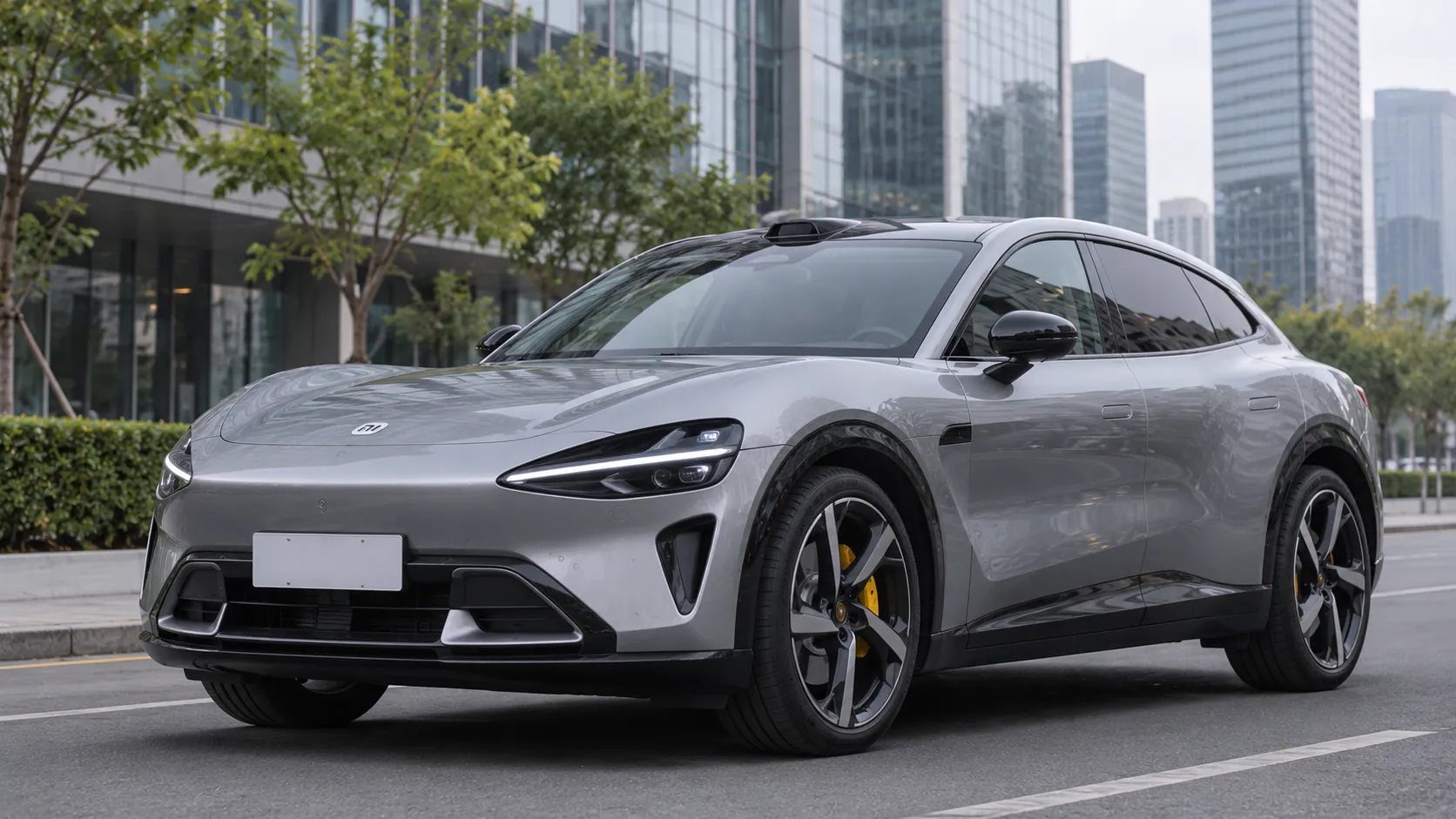
In 2021 Lei Jun said Xiaomi, the phone maker he founded, would put $10 billion into electric cars over ten years, and in 2024 the first of them, the SU7, arrived priced below a Tesla Model 3 in China. Weeks after a fatal SU7 crash in Anhui in 2025, China’s industry ministry told carmakers to stop marketing assisted driving as autonomous.
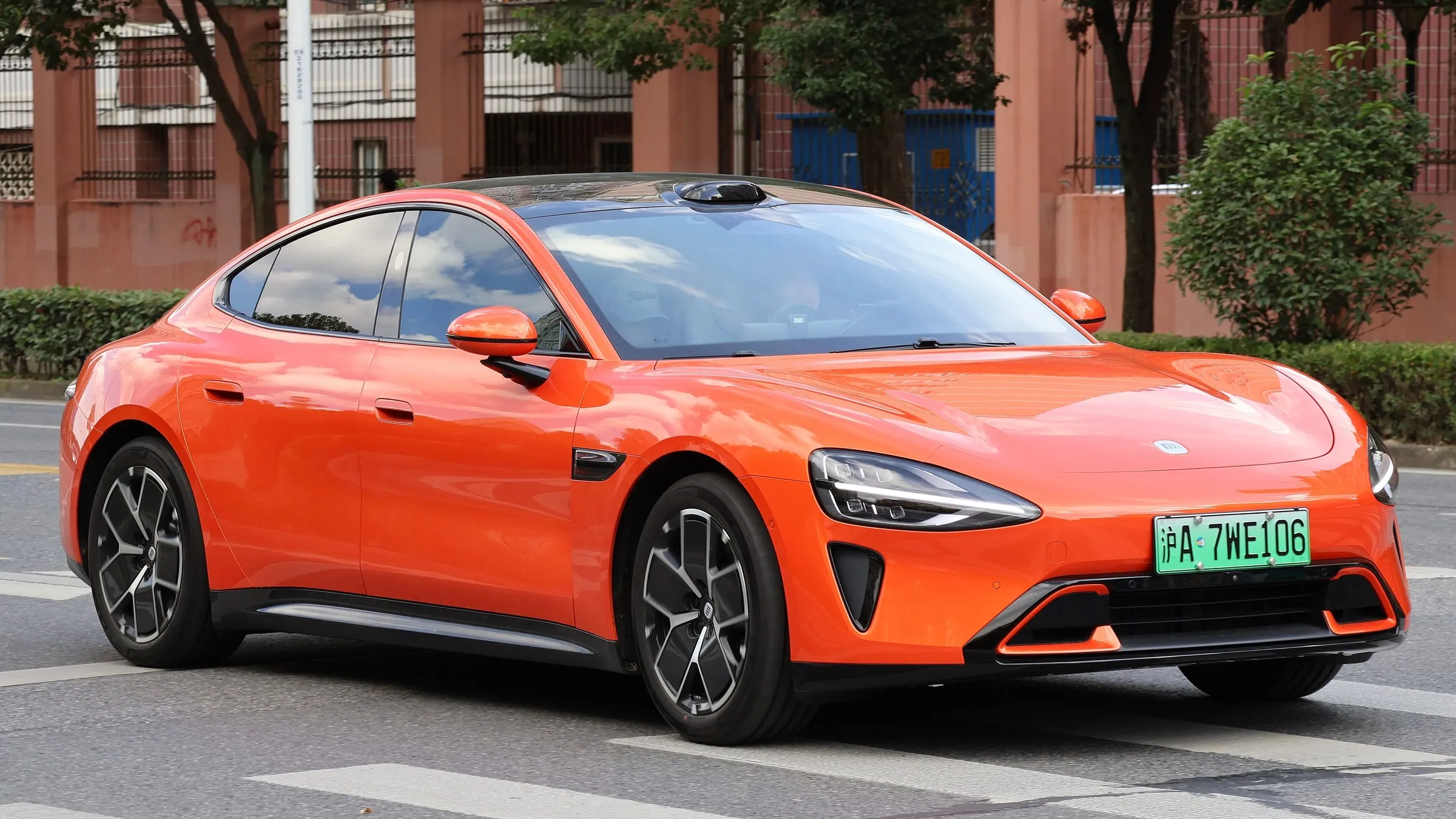
The SU7 went on sale on 28 March 2024 at 215,900 yuan, about 30,000 yuan less than a Tesla Model 3 cost in China at the time. Within 24 hours, Xiaomi said, buyers had put down deposits on 88,898 of them.
Three years earlier, Xiaomi made phones, rice cookers and robot vacuums and had never made a car. On 30 March 2021 its founder, Lei Jun, went on stage in Beijing and told the company’s fans it would build electric ones. He called it the last big startup project of his life and said Xiaomi would spend $10 billion on it over ten years.
By the end of 2024 Xiaomi had delivered more than 135,000 SU7s. The YU7 SUV followed on 26 June 2025 at prices from 253,500 yuan, and Xiaomi said it took 200,000 orders in the first three minutes. For its second year of car sales it set a target of 350,000 deliveries. Both cars are sold only in China for now, though the company has said it plans to start selling cars abroad in 2027.
Xiaomi’s own factory and motors
Xiaomi hired engineers by the thousand, built its own factory in Beijing’s Yizhuang district and designed parts that most new carmakers buy in. It didn’t buy a carmaker or put its badge on someone else’s car. Its motors, which Xiaomi calls HyperEngine, spin at up to 21,000 rpm in the SU7. The rear of the body is cast as a single piece of aluminium by a 9,100-tonne die-casting system that Xiaomi says it developed itself. For batteries it went to the best suppliers available, BYD’s FinDreams for the base car and CATL for the SU7 Max.
- Price in China
- 215,900 yuan (SU7) / 299,900 yuan (SU7 Max)
- Motors and power
- One rear motor, 220 kW / two motors, 495 kW
- Battery
- 73.6 kWh LFP from BYD FinDreams / 101 kWh NMC from CATL
- Range (CLTC)
- 700 km / 800 km
- 0 to 100 km/h
- 5.28 seconds / 2.78 seconds
HyperOS and the fan base
The SU7 runs HyperOS, the same system as Xiaomi’s phones, tablets and smart-home devices. Your phone’s apps carry over to the car’s screens, a tablet clipped onto the dashboard talks to the car (other carmakers should copy that one), and the car can switch on the air conditioner at home as you drive back. For the tens of millions of people in China who already live inside Xiaomi’s ecosystem, the SU7 fits in like one more device. The ecosystem is Xiaomi’s marketing machine as well: Lei Jun’s launch events are watched like Apple keynotes, and Xiaomi’s phone buyers were the car’s first audience.
The Ultra at the Nürburgring
In October 2024 a prototype SU7 Ultra with three motors and more than 1,500 horsepower lapped the Nürburgring in Germany in 6 minutes 46.874 seconds.
The production Ultra went on sale in February 2025 for 529,900 yuan. Xiaomi was chasing Porsche, whose Taycan Turbo GT had done 7:07.55 there, and later that year it said a production Ultra had beaten that with a lap of 7 minutes 4.957 seconds.
The Anhui crash
Three young women died on 29 March 2025 when the SU7 they were in crashed on an expressway in Anhui province. Shortly before it reached a construction zone, the car had been driving with Xiaomi’s navigation-assisted driving switched on. The driver took over there, seconds before impact. The crash set off a national debate about how carmakers sell driver assistance. Weeks later China’s industry ministry told carmakers to stop describing assisted driving as “autonomous” or “intelligent driving” in their marketing, and it tightened the rules on over-the-air software updates.
Correction, 25 November 2026: the ministry’s guidance named “intelligent driving”, not “smart driving” as an earlier version said.
Sources
- CnEVPost: Xiaomi confirms launch of electric car business, to invest $10 billion over next decade, 30 March 2021
- CnEVPost: Xiaomi's Lei Jun on car-making: 'This is my last venture, I will be all in', 31 March 2021
- CnEVPost: Xiaomi joins crowded EV space with launch of SU7, prices undercut Tesla, 28 March 2024
- CnEVPost: Xiaomi says SU7 gets 88,898 firm orders in initial 24 hours after launch, 30 March 2024
- CnEVPost: Xiaomi EV says SU7 Ultra prototype becomes fastest 4-door car at Nürburgring, 29 October 2024
- CnEVPost: Xiaomi officially launches SU7 Ultra to take on Porsche, 27 February 2025
- CnEVPost: Xiaomi SU7 Ultra becomes fastest production EV on Nürburgring, 11 June 2025
- CnEVPost: Xiaomi launches YU7 SUV: prices undercut Tesla Model Y, 200,000 orders secured in 3 minutes, 26 June 2025
- CarNewsChina: China's MIIT tightens regulations on autonomous driving features, banning key functions, 17 April 2025

Saba founded VoltScope and edits every story on it, checking each figure against the sources listed at its foot.
- Xiaomi
- SU7
- YU7
- Lei Jun
- HyperOS